- Published 2026.11.03 11:16
Meta joins large-scale external borrowing with $20 billion
Cloud rental revenue limits compound AI investment burden
Final spreads and further rating downgrades in focus
The astronomical cost of artificial intelligence (AI) capital spending has surpassed big tech companies' ability to generate cash internally, pushing them into full-scale reliance on large external borrowing. As tech firms that once ran nearly debt-free operations on massive surplus cash face a surge in liabilities, global credit rating agencies are downgrading their rating outlooks and bond markets are demanding wider spreads, amplifying credit risk.
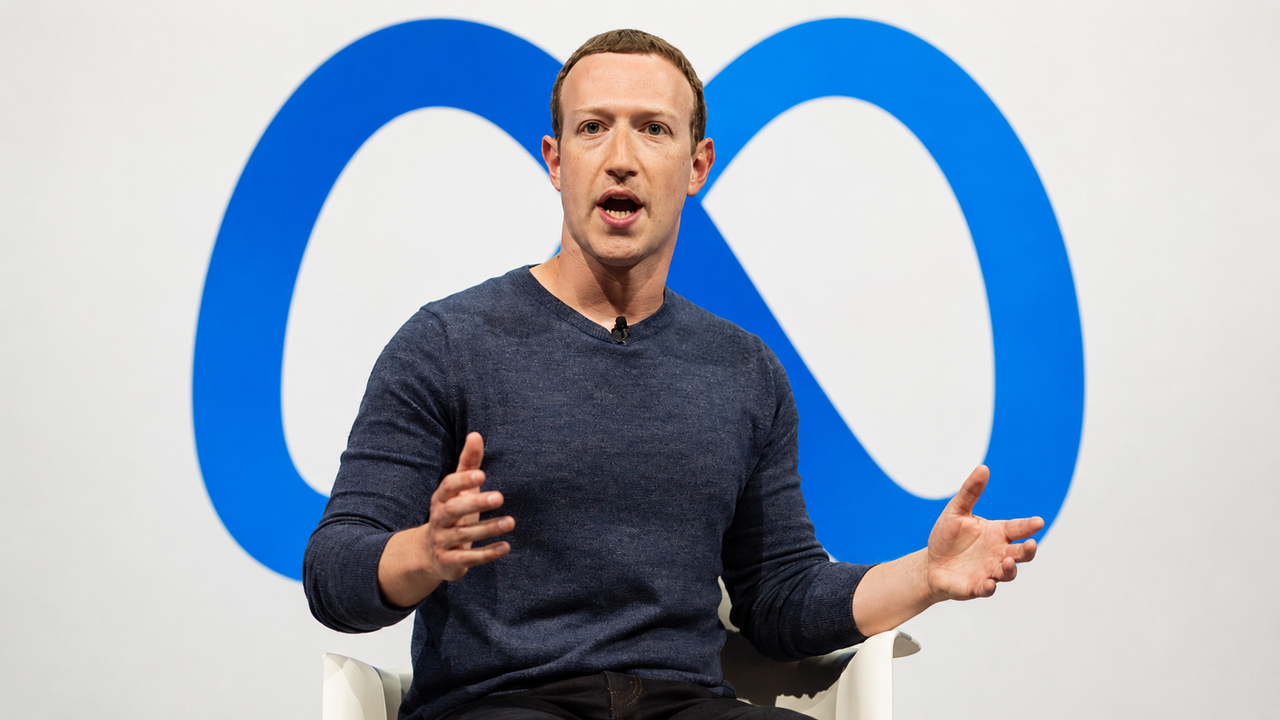
According to the financial investment industry on Nov. 2, Meta is considering issuing at least $20 billion in corporate bonds denominated in U.S. dollars and euros. To that end, it has arranged investor conference calls with Citigroup and Morgan Stanley over two days, Nov. 2 and 3. The bond sale marks a large-scale return just six months after raising $25 billion in April 2026, and would be the company's first-ever euro-denominated bond offering.
The speed and means of fundraising are central to the shift in its financial structure. Just last week, before considering the bond issue, Meta decided to issue $37.5 billion in new shares—$25 billion in common stock and $12.5 billion in convertible preferred stock. It also unveiled plans to secure up to an additional $60 billion through an at-the-market stock sale program. In a short period, the company is moving to raise more than $110 billion combined through debt and equity.
This shows that the financial soundness that once allowed Meta to pursue share buybacks and new business investments alongside strong operating cash flow has deteriorated. In fact, Meta posted a cash outflow of $2.12 billion in the third quarter, turning its free cash flow negative. As dollar funding costs for long-term borrowing rise, the company is diversifying its borrowing currency into the euro market to attract investors.
Global credit rating agencies are warning as they watch big tech's aggressive leverage expansion. S&P Global Ratings on Oct. 31 kept Meta's credit rating at 'AA-' but revised its rating outlook to 'negative' from 'stable'.
Structural differences with competitors became a key basis for the credit assessment. S&P noted that Meta differs from Microsoft or Amazon, which can monetize cloud infrastructure by leasing it to other companies. It assessed that Meta's investment is concentrated only on upgrading its own services, leaving its monetization capacity relatively limited. The agency pointed out the uncertainty over whether future revenue can offset rising capital spending.
Debt-fueled investment expansion is spreading to other companies. Oracle also disclosed on Nov. 2 a plan to raise a total of $20 billion—$10 billion in common stock and $10 billion in corporate bonds. Just five days earlier, at an event on Oct. 28, Oracle had publicly stated it would cap additional fundraising at $20 billion through fiscal 2030, and it has now filled that entire limit at once.
Oracle's total debt including leases stood at $169.1 billion as of end-August, more than double the level in fiscal 2022. Its free cash flow deficit for fiscal 2026 reaches $23.7 billion. Alphabet, Google's parent, also moved to sell 6 billion euros in bonds on Nov. 2, and its funding spreads have widened noticeably since its third-quarter earnings release, raising its cost of capital.
As tech companies flood the bond market simultaneously, bond investors are demanding higher risk premiums. The surge in Alphabet's credit default swap (CDS) premium to record highs plainly shows market anxiety about even the default risk of big tech.
It is inevitable that big tech's massive investments will take years to translate into visible cash generation. High-interest bonds and large share issuances before proving actual profitability carry the risk of surging interest costs and earnings per share dilution. The final spreads on upcoming bond issues and whether credit rating agencies make further downgrades are expected to serve as indicators of each company's fundraising viability.
※ This article is an AI translation of the Korean original published by Korea Credit News; it was checked by automated quality guards and published by the English edition desk.