

- Published 2026.10.13 10:39
Simultaneous promotions at over 600 offline stores nationwide
Seeking processed-meat alternative market ahead of live export halt
Price competition with imported beef and securing regular supply chains
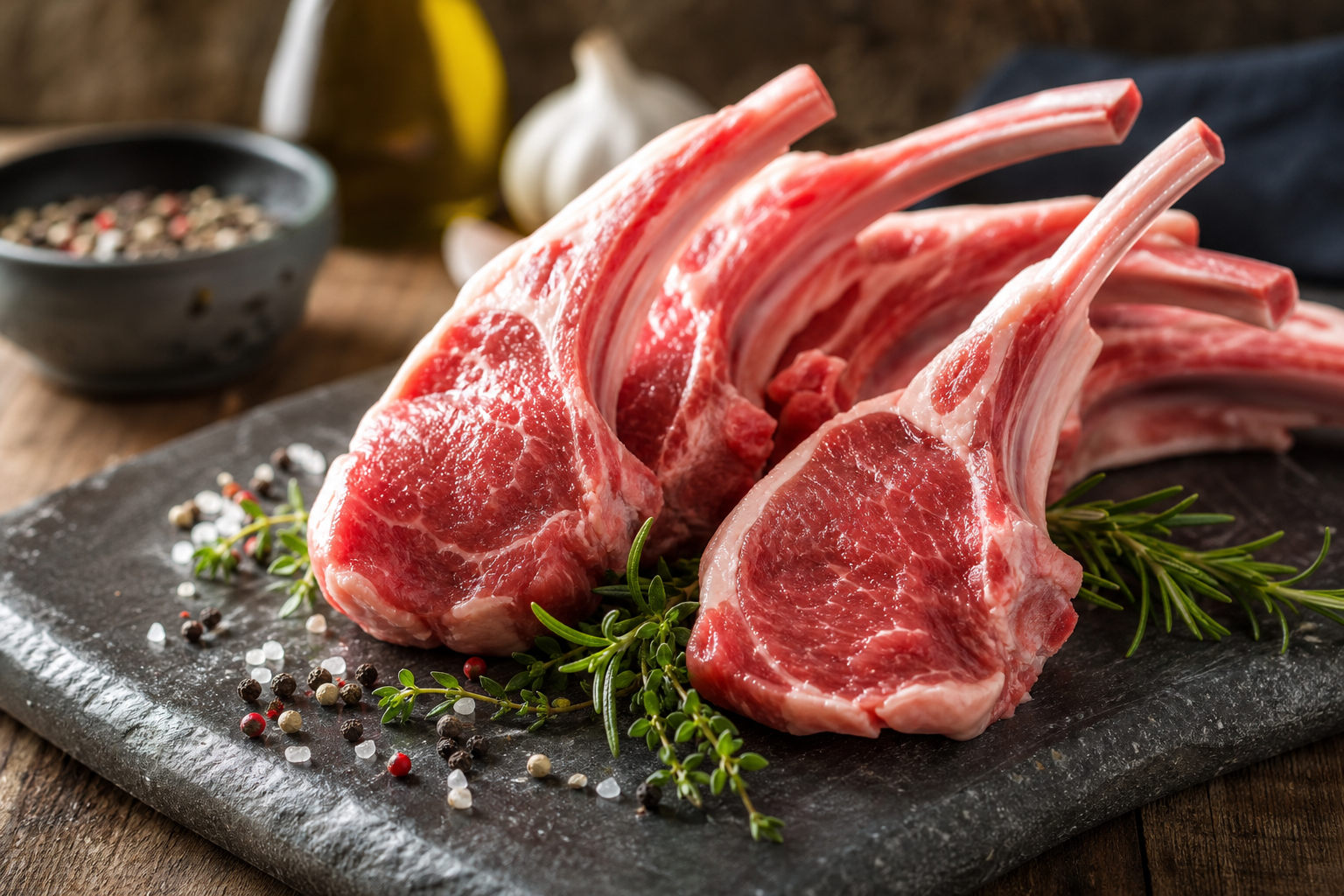
The Australian Trade and Investment Commission (Austrade) in Korea has launched a large-scale lamb promotion in the Korean market. It goes beyond a simple consumption-boosting event and is a national-level move to develop alternative markets in response to changes in Australia's sheep export policy. The effort is seen as an attempt to expand lamb consumption in Korea, which has been centered on dining out, into the home-meal market by partnering directly with major e-commerce distribution networks and offline channels.
According to a notice on Austrade's Northeast Asia account on Oct. 12, it is running an online promotion for Australian lamb on Coupang from Oct. 1 to Oct. 31. This is the first time Austrade has collaborated directly with Coupang, and Coupang has not yet made an official announcement regarding the promotion.
An offline push is also underway. From Oct. 7 to Oct. 27, Australian lamb is being sold at a discount at more than 600 GS The Fresh stores nationwide. This is also the first time Austrade has partnered with a Korean corporate supermarket chain. By adding public transit advertising, including on Seoul Subway Line 9, it is attempting omnichannel exposure across online and offline platforms. Specific discount terms were not disclosed.
At the heart of this promotion is a change in the Australian government's agricultural policy. Austrade said the event is supported by the Australian government's Lamb Sheep Phase-Out program.
The Australian parliament recently decided to completely ban the export of live sheep by sea by 2028, citing animal welfare concerns. As a result, Australian sheep farmers and related industries that have mainly exported live animals to the Middle East and other regions are facing structural changes.
The Australian government has allocated transition support funds to cushion the industry impact. The main goal is to increase exports of fresh chilled and frozen meat that has been slaughtered and processed in Australia instead of exporting live animals. The LSPO promotion in Korea is also part of efforts to absorb existing surplus volume and develop new distribution networks to boost exports of high-value processed meat.
The Australian government's targeting of the Korean market is linked to changes in domestic consumption patterns. Lamb consumption, which was previously confined to the dining-out industry such as lamb skewers, has recently been shifting to home consumption such as steaks. Choosing Coupang, which has a cold-chain network for fresh food, and GS The Fresh, a neighborhood shopping channel, as its first partners is also a move aimed at the home-meal meat market.
However, it remains to be seen whether this offensive will translate into long-term demand creation beyond short-term promotions. In the home-meal meat market, lamb is still a niche item with higher entry barriers than hanwoo (Korean beef), imported beef, or pork. Unfamiliar cooking methods and divided consumer preferences over its distinctive aroma are also cited as limitations.
The real competitor is imported beef, which is used for similar purposes. During this promotion period, backed by large-scale subsidies, the deep discounts can highlight price competitiveness, but whether it can maintain a price advantage over imported beef after the subsidies end will be the yardstick for whether consumption takes root.
How much lamb sales at Coupang and GS The Fresh increase through this promotion, and whether the two companies expand Australian lamb into a regular distribution item after this month's event ends, are expected to be key indicators for the success of Australia's processed meat export strategy.
※ This article is an AI translation of the Korean original published by Korea Credit News; it was checked by automated quality guards and published by the English edition desk.