- Published 2026.10.28 09:43
Both hit NICE Investors Service downgrade review thresholds
Global agencies already cut ratings while Korean peers delay
Funding costs may rise ahead of year-end regular reviews
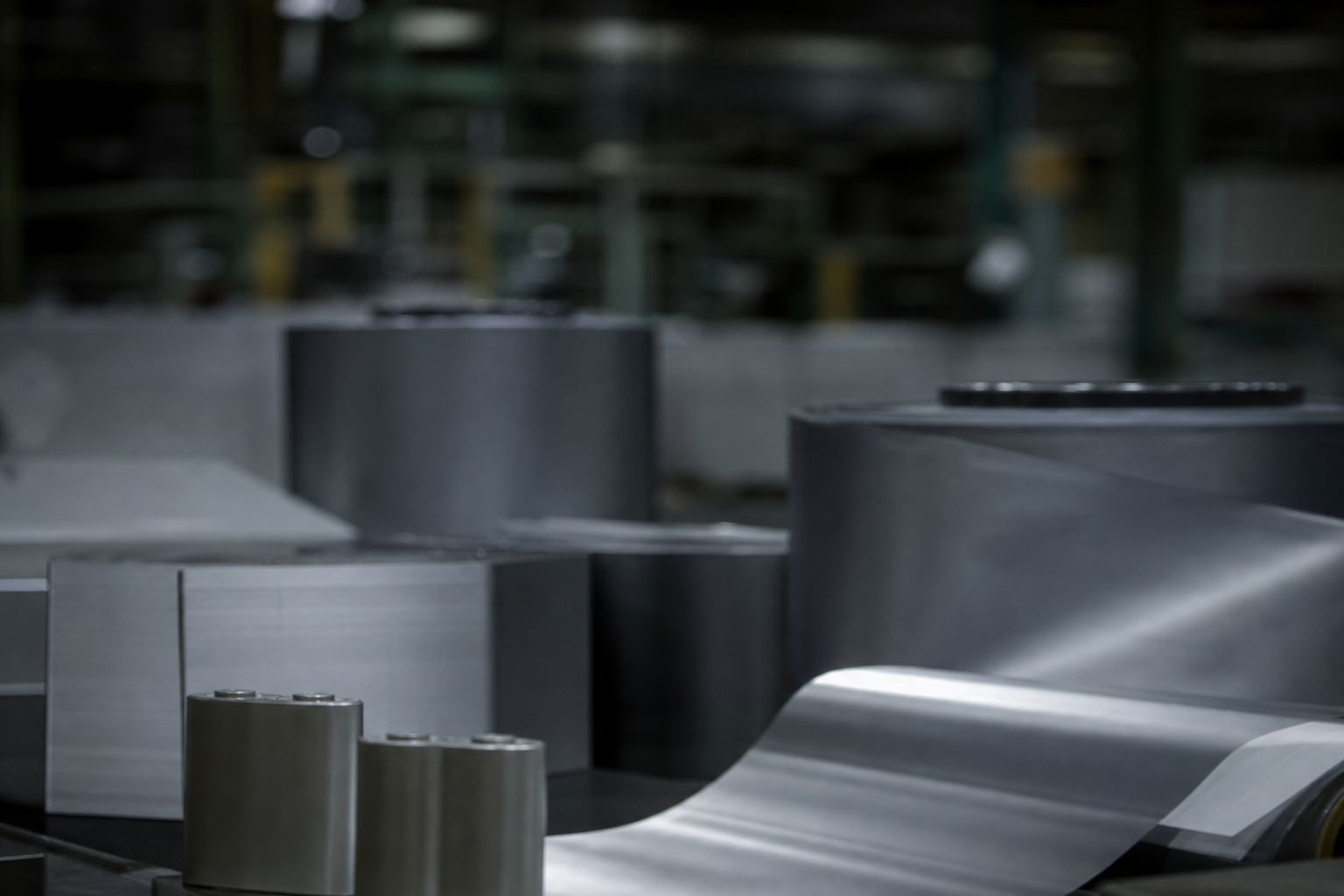
Even AA-rated large companies, long considered safe havens in Korea's corporate bond market, have been pushed below credit rating agencies' downgrade review thresholds as they struggle with both falling profitability and rising debt. The capital market is seeing clear signs that even core blue-chip companies, which had absorbed heavy capital spending and cost pressures through strong cash generation, are hitting the limits of their credit defenses.
According to an analysis of corporate bond credit ratings and financial indicators released by NICE Investors Service on Oct. 27, LG Energy Solution (CEO Kim Dong-myung) and CJ CheilJedang (CEO Kang Shin-ho) each breached two key metrics for profitability and financial soundness as of the end of June this year.
The most striking aspect of the deterioration is that the metrics fell far below the agencies' thresholds, not just marginally. LG Energy Solution's consolidated operating profit margin plunged to minus 0.7% as of end-June this year. It not only fell short of NICE Investors Service's downgrade review threshold of below 4%, but the company entered a state where it cannot generate normal profit from operations. The ratio stood at 6.4% at end-2023, dropped to 2.2% at end-2024, briefly rebounded to 5.7% at the end of last year, but slumped into loss territory in the first half of this year amid the EV chasm (temporary demand stagnation) and lower factory utilization rates.
While profitability hit bottom, debt piled up rapidly. LG Energy Solution's consolidated debt-to-equity ratio surged to 157.1% as of end-June this year, after already exceeding the 120% threshold at 129.0% at the end of last year. The company continued to tap external borrowing to expand its North American and European production bases, but front-end demand needed to recover those investments failed to materialize, causing financial soundness indicators to deteriorate sharply. With earnings turning to losses and debt obligations ballooning, the company faces a structural imbalance that makes it difficult to service its borrowings on its own.
CJ CheilJedang, a traditional consumer goods powerhouse known for stable cash flows, is in a similar situation. Excluding CJ Logistics, CJ CheilJedang's consolidated revenue-to-EBITDA ratio stood at 9.1% as of end-June this year, below the downgrade review threshold of 10%. The prolonged strong won and weak domestic consumption prevented price hikes, while continued promotional and marketing spending in overseas markets rapidly eroded its fundamental strength. Debt coverage indicators are also approaching dangerous levels, showing that slowing cash generation is directly translating into financial strain.
Credit rating agencies maintain a cautious stance, saying that breaching numerical thresholds does not immediately trigger a downgrade. They argue that global business competitiveness, liquidity buffers, and potential support from parent groups must also be considered. Indeed, LG Energy Solution and CJ CheilJedang's unsecured corporate bond ratings remained at AA with stable outlooks as of end-September this year.
However, such delayed assessments are drawing criticism that they are amplifying perceived market risk. Global rating agencies have already moved ahead of their Korean counterparts. S&P Global Ratings downgraded LG Energy Solution to BBB, citing large investment spending and prolonged debt burdens, and Moody's followed with its own downgrade. With overseas agencies having completed rating actions citing the EV market slump and subsidy uncertainty, Korean agencies are being accused of delaying judgment by relying on the companies' blue-chip status and hopes for a temporary earnings recovery.
The problem is that a clear rebound momentum for these companies is hard to find even in the second half. LG Energy Solution is exposed to external variables such as uncertainty over US Inflation Reduction Act (IRA) subsidies and major automakers' slowing electrification plans. Even if it delays or scales back trillion-won capital spending, the already accumulated debt is so large that interest cost pressure will only intensify. CJ CheilJedang, with weakened pricing power, also finds one-off self-help measures such as selling non-core assets insufficient to prove sustainable cash flow generation.
Market confidence in AA ratings rests on the premise that financial soundness is controlled within thresholds. But both companies have simultaneously breached the two key pillars of credit assessment—profitability and debt—below their downgrade defense lines. Ahead of year-end regular reviews, if rating agencies adjust outlooks negatively or actually downgrade the ratings, it is hard to rule out the possibility that shockwaves of higher funding costs and weaker investment demand will spread across the entire blue-chip corporate bond market.
※ This article is an AI translation of the Korean original published by Korea Credit News; it was checked by automated quality guards and published by the English edition desk.