
- Published 2026.10.22 22:44
75 of 98 cumulative FDA approvals have reached the market
Wholesaler portfolios show 25% supply shortages, highlighting stability
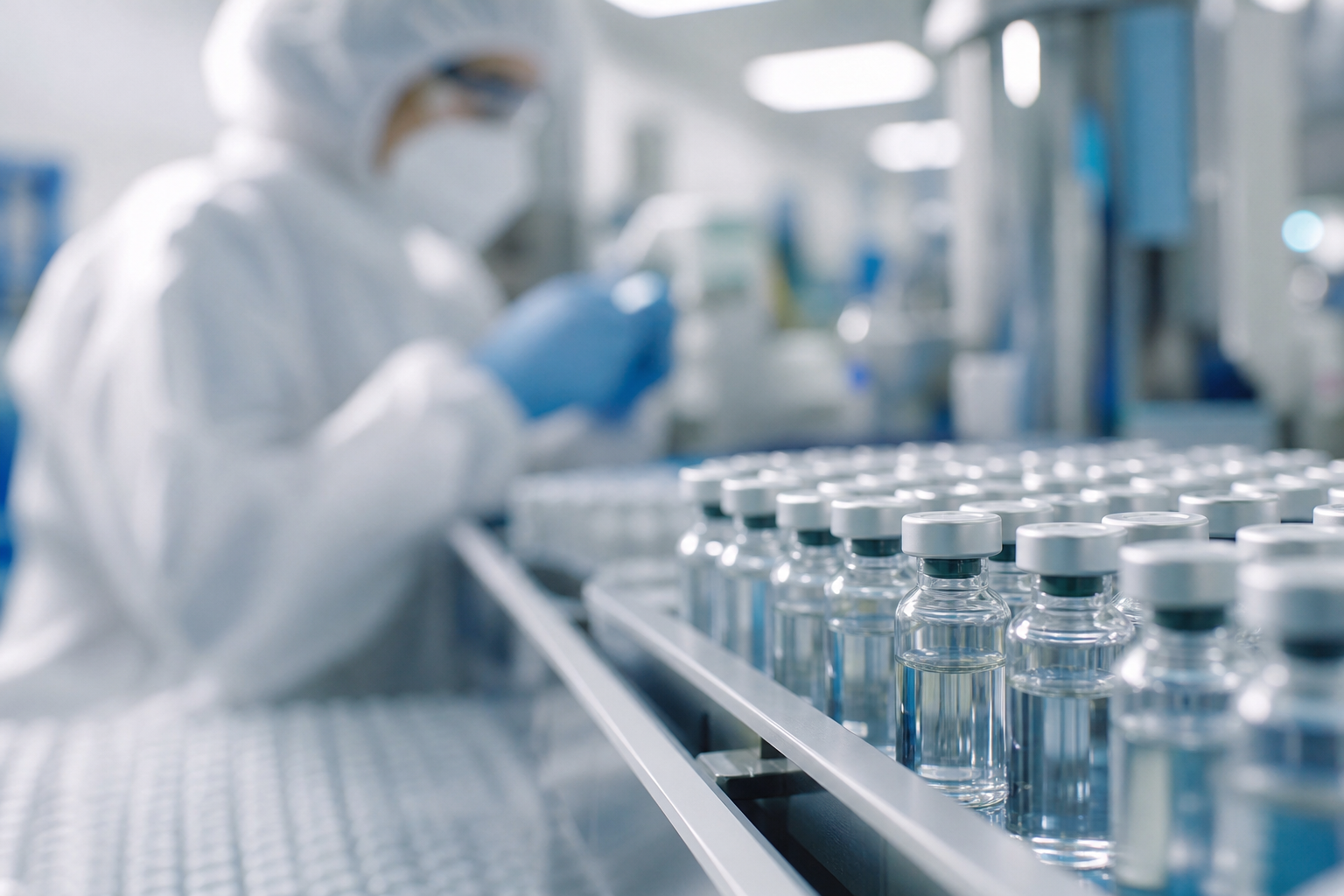
Samsung Bioepis said in its fourth-quarter 2026 US biosimilar market report that supply stability has emerged as a key purchasing factor on par with price in the US market. With more than 25% of products handled by US wholesalers experiencing supply shortages, the company expects firms with reliable distribution networks to gain market leadership rather than those competing mainly on low prices.
According to Samsung Bioepis on Oct. 22, the company published its "Q4 2026 US Biosimilar Market Report (15th edition)." The report showed that as of September this year, the US Food and Drug Administration (FDA) had approved a total of 98 biosimilars for 21 biological products, of which 75, or 77%, had actually been launched in the market.
Biosimilars are generating massive cost savings in the US healthcare system. Data from the Biosimilars Council under the Association for Accessible Medicines (AAM) showed savings from biosimilar adoption surged to $12.4 billion (about 17.11 trillion won) in 2023 and $20.2 billion (about 27.87 trillion won) in 2024. However, despite patent expirations of originator drugs, many products still struggle to launch and penetrate the market due to complex rebate structures and patent barriers.
Amid this backdrop, the US biosimilar market, which had seen fierce price-cutting competition to replace originator drugs, is now showing signs of price recovery for certain ingredients. Key ingredients such as trastuzumab, bevacizumab, infliximab, and pegfilgrastim have maintained or raised their average selling prices (ASP) for several consecutive quarters while defending market share. In particular, ranibizumab, an ophthalmic treatment, and the cancer drug bevacizumab have shown sustained price recovery through the third and fourth quarters of this year, breaking away from the past pattern of continuous price declines.
In the report's "Deep Dive" section, Samsung Bioepis noted that supply chain stability, rather than cutthroat price competition, has emerged as a new criterion for market reshaping. Interviews with local wholesalers found that more than 25% of US wholesalers' biosimilar portfolios are facing supply shortages or allocation restrictions. This marks the highest level of supply shortages on record.
As a result, inventory shortages and distribution reliability have become one of the most important factors in purchasing decisions at US healthcare sites. While biosimilars have the advantage of lower prices compared with originator drugs, failure to receive timely supplies can disrupt patient treatment schedules. Beyond simply offering low prices, production capacity to distribute large volumes without disruption has become the standard that determines market share.
Thomas Newcomer, senior vice president and head of US commercial operations at Samsung Bioepis, said, "The US biosimilar market continues to evolve with a growing emphasis on supply reliability and access stability."
※ This article is an AI translation of the Korean original published by Korea Credit News; it was checked by automated quality guards and published by the English edition desk.