
- Published 2026.11.05 20:51
New Neira and Carens EV to be built at Cikarang plant to maximize efficiency
Local batteries cut costs as Hyundai counters Chinese EV push led by BYD
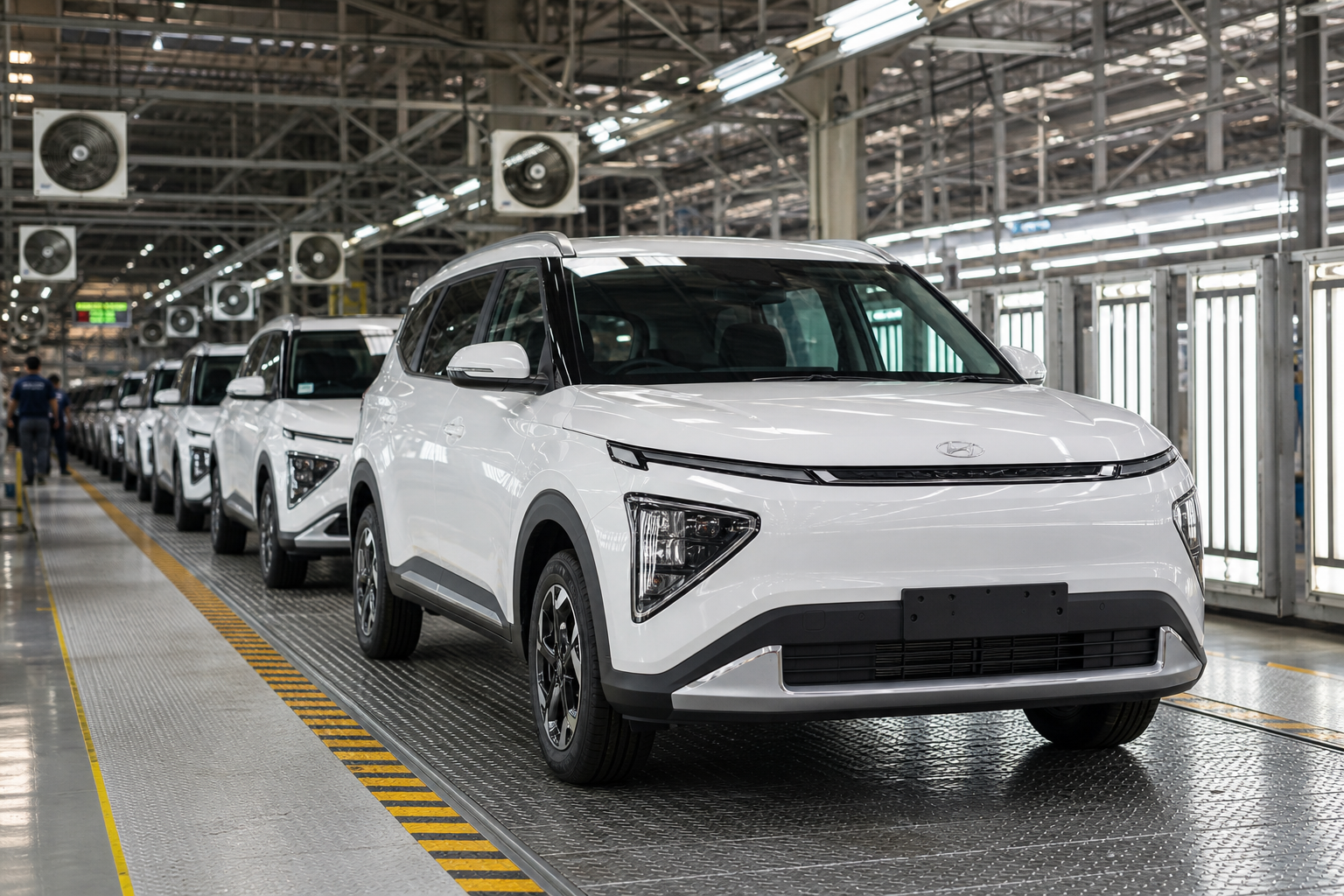
Hyundai Motor is significantly expanding its lineup of locally tailored electric vehicles (EVs) to lift utilization at its Indonesian plant, which remains at about half of capacity. The automaker plans to roll out two new EV models based on seven-seat multipurpose vehicles (MPVs), a segment with strong demand in Indonesia, to maximize production efficiency and counter low-cost Chinese brands.
At a press conference in Jakarta on Nov. 5, Fransiscus Soerjopranoto, chief operating officer of PT Hyundai Motors Indonesia (HMID), announced that the company will produce the new Neira EV and the Kia Carens EV at its Cikarang plant in West Java to optimize plant utilization. He said the plant has an annual production capacity of about 150,000 units but is currently running at around half of that.
Soerjopranoto added, "By producing these two models, we hope to maximize the utilization of the plant we have built, thereby increasing profitability and employment."
The vehicles leading the rebound in utilization are seven-seat electric MPVs, which are highly preferred by Indonesian consumers. The Neira, first unveiled as a concept car at the Gaikindo Indonesia International Auto Show (GIIAS) in July 2026, is a sibling model that shares a platform with the Kia Carens EV. The Kia Carens EV will also be built on the Cikarang assembly line, marking the first time a Kia-branded vehicle is produced locally in Indonesia.
Cost savings from local production are translating into price competitiveness. The Kia Carens EV, which began taking pre-orders in Indonesia late last month, is expected to start at 382 million rupiah (about 33.6 million won). That is lower than the starting price of 395 million rupiah for the M6, a seven-seat electric MPV from China's BYD that has recently been expanding in the local market.
Behind this pricing is the localization of key components, including batteries. The two new EVs will be equipped with batteries produced at the Karawang HLI Green Power plant, a joint venture between Hyundai Motor Group and LG Energy Solution. Soerjopranoto emphasized, "Because we have a battery plant in Karawang and assembly takes place at the Cikarang plant, the Neira's domestic component level (TKDN) will definitely exceed 60%." The Indonesian government will raise the minimum TKDN requirement for EVs to 60% starting in 2027.
Hyundai Motor's Indonesian subsidiary will prioritize supplying locally assembled vehicles to the domestic market. Soerjopranoto added, "There will be export volume, but the most important thing is to first meet the demand of the Indonesian people."
Kenny Lee, president director of HMID, said, "Our goal is to build an integrated ecosystem that supports the growth of electric mobility in Indonesia through local production, supply chain development, and infrastructure cooperation." He noted that the company's own research shows Hyundai Motor ranks among the top two preferred EV brands among millennials and Generation Z, and that the company will expand an accessible EV ecosystem targeting their demand.
※ This article is an AI translation of the Korean original published by Korea Credit News; it was checked by automated quality guards and published by the English edition desk.