

- Published 2026.10.10 10:40
Written comments accepted through Nov. 2 via Ohio EPA
Administrative incorporation of air pollution control technology, not expansion
Final approval by U.S. federal authorities expected after public input
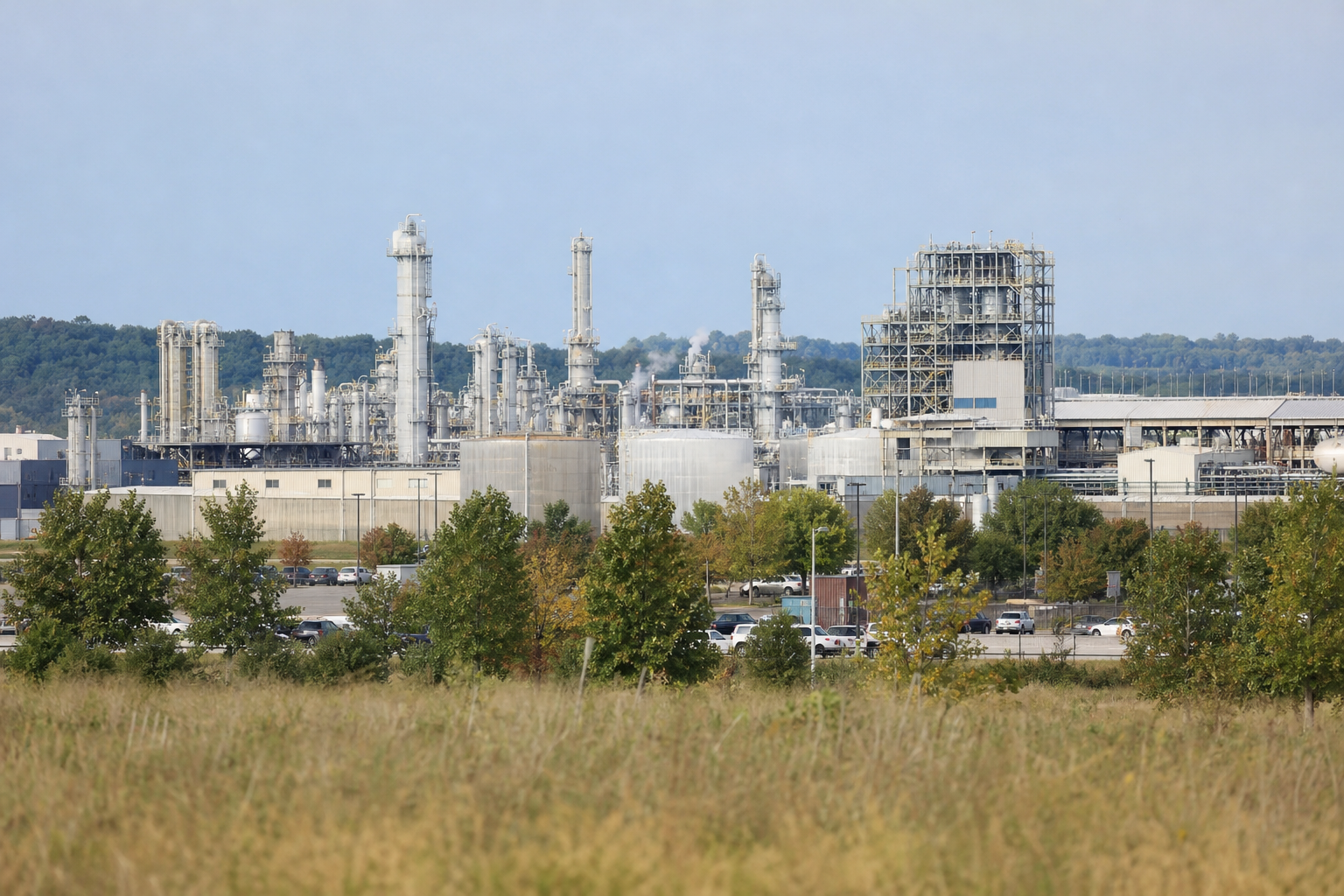
Ohio environmental authorities have begun a public comment process on proposed air permit conditions for LG Chem's Ravenna facility in the United States. The move is not for new expansion but an administrative procedure to formally incorporate technology standards for ozone reduction into the existing facility.
The Ohio Environmental Protection Agency (Ohio EPA) on Oct. 1 released a draft modification to the air permit for LG Chem Ohio Petrochemical and said it will accept written comments until 11:59 p.m. on Nov. 2.
The proposed permit is not for new plant construction or production line expansion. According to the Ohio EPA notice, the change is an administrative modification initiated by the facility. The key is integrating Reasonably Available Control Technology (RACT) standards into the existing installation and operating permit.
Under the U.S. Clean Air Act, each state must develop a State Implementation Plan (SIP) to attain and maintain the National Ambient Air Quality Standards (NAAQS). The proposed permit was prepared as part of Ohio's SIP to meet the ozone standard set in 2015. It codifies that the air pollutant emission control methods at LG Chem's Ravenna plant meet local regulatory requirements.
The facility mainly produces acrylonitrile butadiene styrene (ABS), a high-value synthetic resin used in the automotive and construction industries. After securing the site with property tax abatements and other benefits from Portage County, it began full operations in April 2024.
In its second year of operation, full integration into the local environmental regulatory framework is a key task. Once the air permit modification is finalized, the facility's environmental management obligations will become clearer. The Ohio EPA is also pursuing RACT application procedures for other nearby chemical facilities to meet the same ozone standard. This reflects a trend of applying consistent regulatory standards to major emission sources in the region.
After the comment period ends on Nov. 2 and the final version is set, the plan must be submitted to the U.S. Environmental Protection Agency (U.S. EPA) for final approval as a State Implementation Plan revision. Whether federal approval proceeds smoothly and the Ohio plant can shed environmental regulatory uncertainty and continue stable production will be a key point to watch.
※ This article is an AI translation of the Korean original published by Korea Credit News; it was checked by automated quality guards and published by the English edition desk.