- Published 2026.10.10 10:10
Nvidia forms $500 billion platform with major asset managers
Private credit flows in against data center lease cash flows
Chip value drops annually; if customer demand slows, losses spread
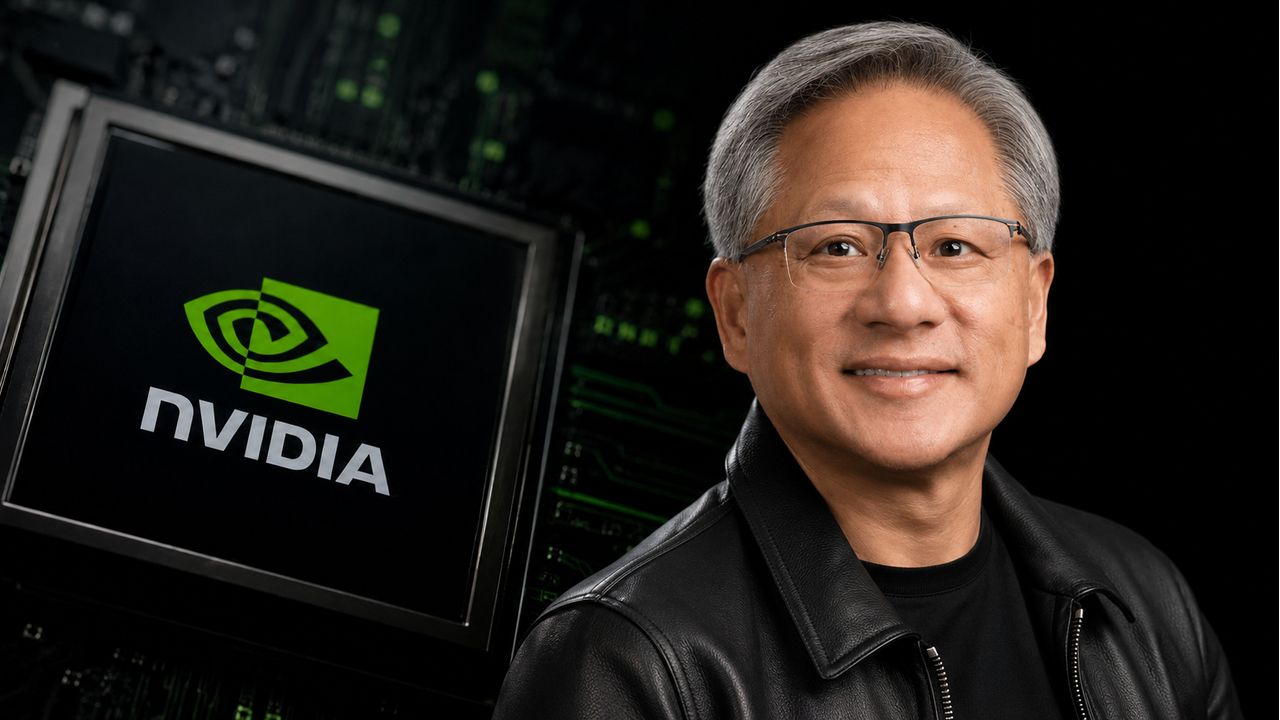
Beyond companies' own cash, borrowing structures for artificial intelligence (AI) infrastructure that combine with Wall Street private capital are spreading. So-called 'GPU-backed loans,' in which cash-strapped cloud service providers or startups borrow against graphics processing units (GPUs) and future lease revenue, have emerged at the center of financial engineering.
On Aug. 10, Nvidia signed a memorandum of understanding with six major Wall Street alternative asset managers: Apollo Global Management, BlackRock, Blackstone, Brookfield, Goldman Sachs and KKR. They plan to build an AI infrastructure computing finance platform worth $500 billion (about 700 trillion won) in the long term. Private credit funds will provide the capital, and Nvidia is considering guarantees and loss protection of up to 25% of residual value to support customer chip purchases.
Borrowing has already ballooned to astronomical levels. According to an analysis by Federal Reserve researchers, GPU-backed debt outstanding in the United States reached $46.3 billion (about 62 trillion won) as of August. CoreWeave, a U.S. AI-focused cloud company, finalized a $2.6 billion GPU-backed loan arranged by JPMorgan and Mitsubishi UFJ Financial Group on Sept. 10, bringing its cumulative commitments to $26.6 billion.
This private credit-linked model resembles the vendor financing of Lucent Technologies during the dot-com bubble, when sellers lent directly to buyers to inflate revenue. The difference is that the risk is not held directly as loan receivables on the balance sheet but is sliced and transferred as off-balance-sheet debt.
Wall Street is now setting up special purpose vehicles (SPVs) in partnership with Nvidia and drawing in pension fund and insurer money to make loans. Lenders do not rely solely on the physical value of a single GPU. They bundle long-term data center compute lease contracts that cloud companies like CoreWeave have signed with big tech firms and assign credit ratings to the cash flows from those contracts.
Small and mid-sized AI companies that cannot buy trillions of won worth of chips with their own operating cash are expanding infrastructure through this method. GPU-backed loan rates, initially around 15% per year, have evolved to lower funding costs as recent large contracts earn investment-grade ratings.
The problem is the inherent vulnerability of the advanced semiconductors used as collateral. Unlike traditional physical assets such as real estate or aircraft, which depreciate gradually, GPUs see next-generation architectures emerge every one to two years. The mere release of a new product can cause the market disposal value of the previous generation of chips to plummet instantly.
Moreover, GPUs do not have a robust secondary market. Even if a default occurs and tens of thousands of chips installed in data centers are seized, it is difficult to avoid steep discount sales in the process of liquidating them. This is why lenders have extended funds based on the usage fee income of tenant companies rather than the residual value of the chips.
As high interest rates persist, funds from the leveraged loan and high-yield corporate bond markets are becoming entangled with AI hardware asset-backed securities (ABS). If large-scale AI investments by big tech and startups fail to translate into actual monetization and lease contract renewals stop, the entire financial structure will be shaken.
Ultimately, if a collateral value revaluation shock occurs, it carries the risk of spreading beyond a correction in tech stock prices to nonperforming loans across non-bank financial institutions and private credit. Whether the pace of revenue growth from AI service commercialization can outpace the rate of chip value decline, and whether tenant companies can continue to maintain data center demand to stably generate funds for interest and principal repayment, will be the key indicators determining the success or failure of this financial platform.
※ This article is an AI translation of the Korean original published by Korea Credit News; it was checked by automated quality guards and published by the English edition desk.