
- Published 2026.11.03 20:58
Targets cosmetics labeled with unapproved colorants and uncertified CI codes
Compliance with labeling rules essential for entering the US, K-beauty's largest export market
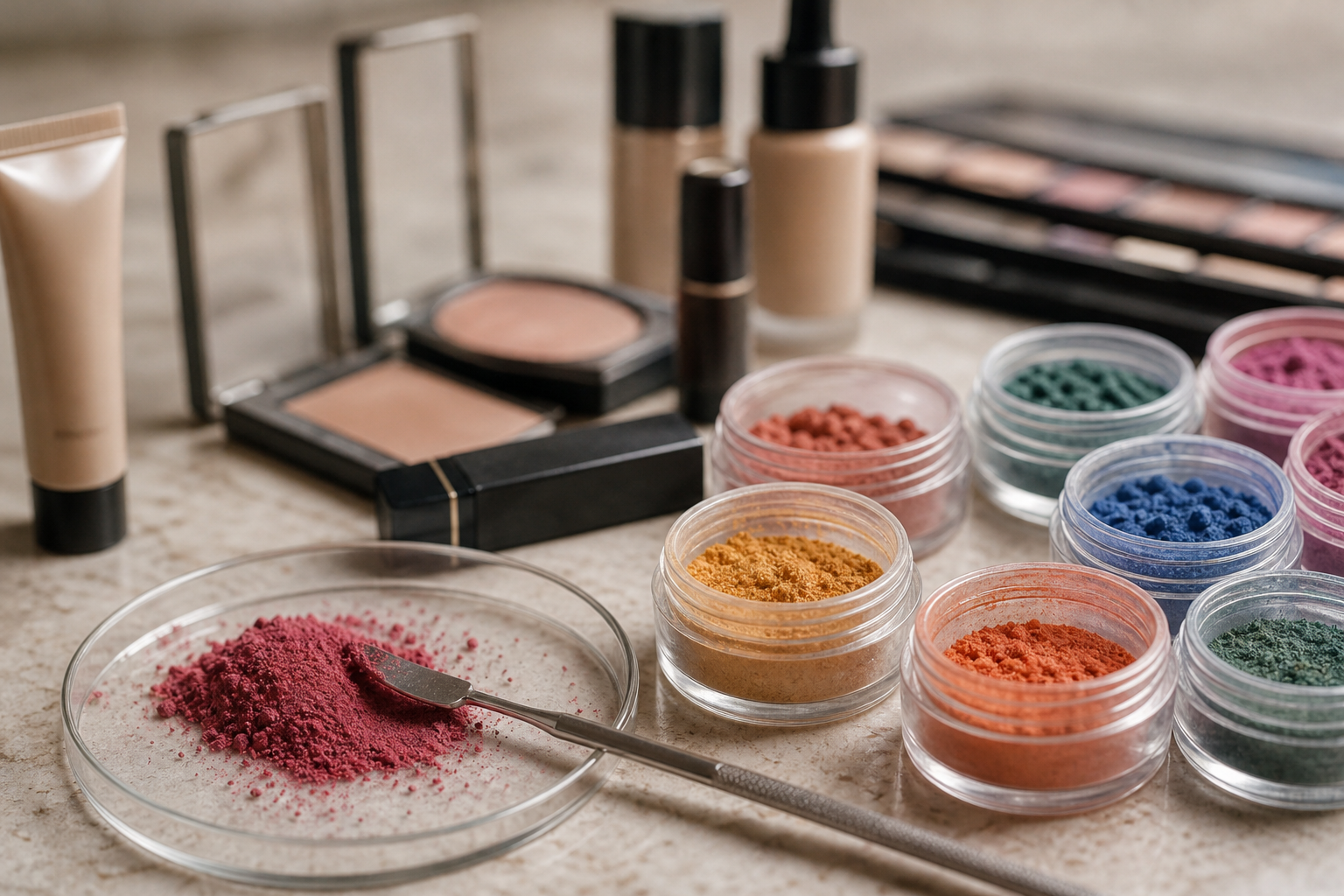
The US Food and Drug Administration (FDA) has raised the customs clearance bar by updating import alerts on violations involving cosmetic color additives. The move singles out products labeled with five-digit CI codes widely used in the Korean cosmetics industry, requiring advance preparation by companies seeking to enter the US market, Korea's top export destination by single country.
On Nov. 3, the FDA announced an update to import alert 53-06 on cosmetic color violations, issued the previous day. The measure classifies cosmetics using unapproved colorants as adulterated. In addition, products labeled with names not designated by the FDA, such as 'C.I. 15850', and that fail to provide a valid certification lot number are subject to detention without physical examination (DWPE).
CI codes are international color index numbers commonly used in Europe and Korea to identify colorants in cosmetics. Korean companies are accustomed to listing CI codes such as 77266 and 15850 on product labels. However, US regulators strictly enforce labeling that does not follow domestic standards.
The FDA manages color additives in three categories: exempt from certification, subject to certification, and approval revoked. Among these, colorants subject to certification must use FDA-designated names such as 'D&C Red No.6' or 'FD&C Yellow No.5'. Failure to use the designated name or to provide a one-time certification number issued for each manufacturing process results in a violation for undeclared colorants.
The United States has recently begun full implementation of the Modernization of Cosmetics Regulation Act (MoCRA), strengthening safety verification of imported cosmetics. Colorants in particular can be used in food as well as cosmetics, making pre-approval procedures stricter than for other ingredients. The FDA first holds products without valid certification numbers responsible for 'uncertified' violations, and for consumer-sale products, additionally applies 'undeclared' labeling violations.
Once a product is placed on the import alert 53-06 list, customs clearance is suspended immediately upon arrival at a US port without inspection of contents. In the past, removal from the alert list required five consecutive clean imports, making post-remedy procedures complex. Once clearance is blocked, companies face not only delivery delays but also actual logistics costs from product disposal or return.
This poses a direct threat to the K-beauty industry, which is expanding around the US market. According to the Ministry of Trade, Industry and Energy (MOTIE), Korean cosmetics exports to the US from Oct. 1 to 25, 2026 reached $230 million (about 317 billion won), up 62.7% from the same period last year. With demand for color cosmetics such as lipstick and eye shadow growing locally along with basic skincare, color labeling violations could occur more frequently.
To supply products to the US market without disruption, color regulations must be checked from the planning stage. If a cosmetic label contains one or more colorants subject to certification, companies need to proactively obtain FDA certification from raw material suppliers. Producing separate labels for US exports with the designated names and lot numbers can reduce uncertainty in the customs clearance process.
※ This article is an AI translation of the Korean original published by Korea Credit News; it was checked by automated quality guards and published by the English edition desk.