
- Published 2026.11.08 05:55
Samsung, H&Q and other investors from both countries participate in 72 billion won funding
Accelerates commercialization of high-efficiency emitting materials free of rare metals, pursues IPO
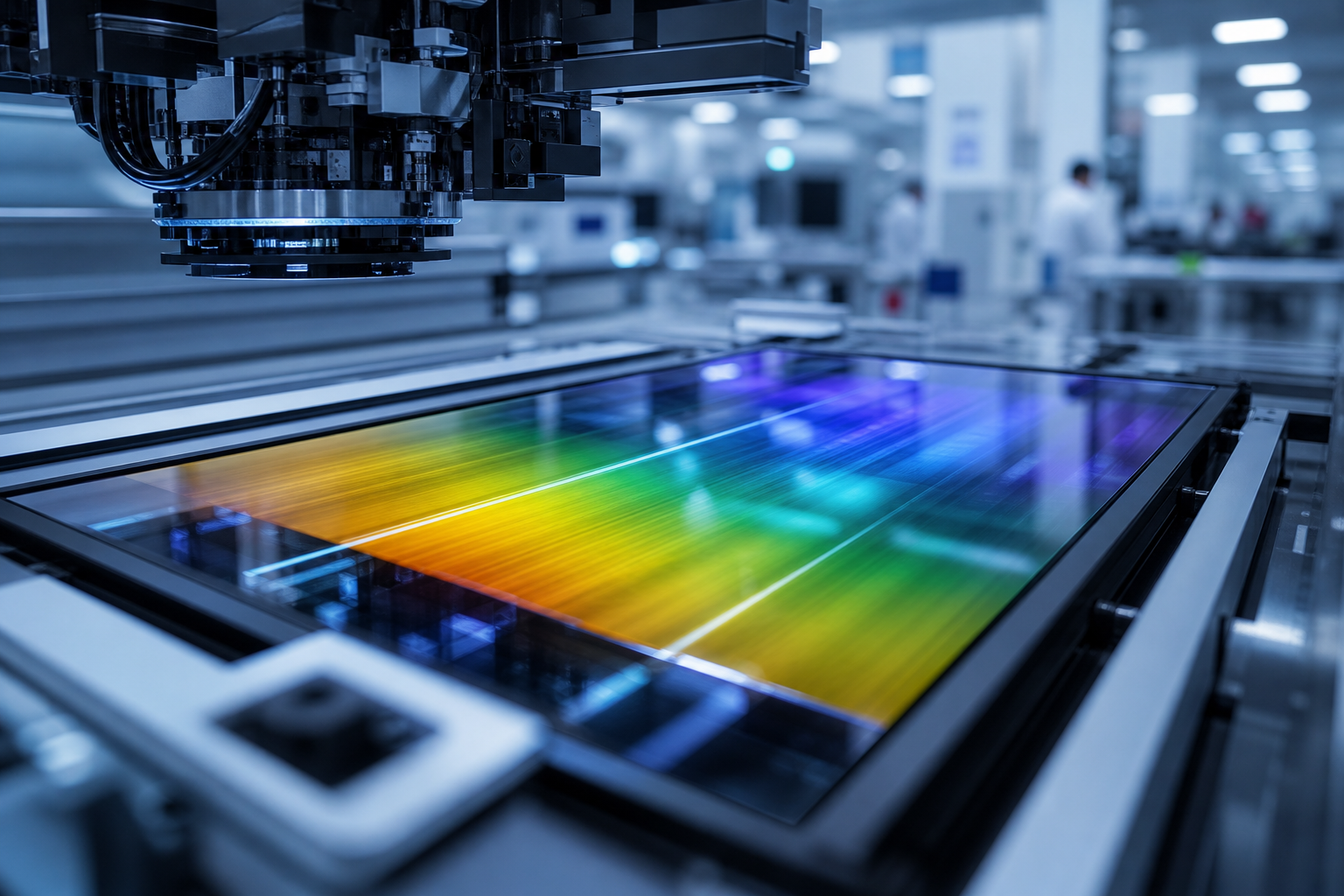
Kyulux, a Japanese developer of next-generation organic light-emitting diode (OLED) materials, has raised large-scale investment from LG Display and others and will co-develop next-generation materials. The move accelerates commercialization of high-efficiency emitting materials that do not rely on rare metals.
According to OLED-info, a global display industry media outlet, on Nov. 7, Kyulux recently completed a Series D funding round worth 8.5 billion yen (about 72 billion won). LG Display participated as a direct investor, while Samsung took part as a strategic investor through Samsung Venture Investment. Investors from both countries also contributed, including Korean private equity fund managers H&Q and BNW Investment, and Japan's SMBC Capital Partners. Kyulux is reported to have received a valuation of $272 million (about 380 billion won) through this funding.
Along with the large-scale fundraising, Kyulux signed a joint development agreement (JDA) with LG Display to accelerate commercialization of next-generation OLED emitting materials. LG Display previously invested $2.8 million (about 3.9 billion won) in Kyulux in 2016, building a long-term partnership. Samsung Display is also listed as one of Kyulux's early investors. Behind the continued funding from Korea's two largest panel makers is hyperfluorescence technology that can overcome the limitations of existing OLED materials.
Founded in 2015 based on research at Kyushu University in Japan, Kyulux specializes in thermally activated delayed fluorescence (TADF) and hyperfluorescence technologies. Widely used second-generation phosphorescent materials depend on expensive rare earth metals such as iridium, but Kyulux's fourth-generation emitting technology achieves high luminous efficiency and high color purity without rare metals. It is environmentally friendly and can significantly lower production costs, helping panel makers cut expenses. Kyulux has already filed more than 1,000 related patents, building a technology barrier.
Industry collaboration for mass production of materials is also underway. In February this year, Kyulux signed a license agreement with SK Materials JNC (SKMJ) for a green OLED emitting system. Under the agreement, Kyulux will provide the technology and SKMJ will produce the materials, with plans to supply them to global panel makers by 2027.
Kyulux plans to use the Series D funding to complete commercialization of next-generation materials and pursue a global initial public offering (IPO). Since Lee Jung-gil, a former Samsung Electronics visual display (VD) division executive, took office as CEO in October last year, the company has been accelerating commercialization and global business expansion. CEO Lee Jung-gil said the funds will be used to commercialize next-generation materials and pursue a global listing.
※ This article is an AI translation of the Korean original published by Korea Credit News; it was checked by automated quality guards and published by the English edition desk.