- Published 2026.10.31 13:41
Delinquency rate on loans to low-credit vulnerable self-employed surpasses 12%
Behind the 0% stability of ordinary households, distress deepens for the working class
Need to link to real debt relief programs to prevent contagion
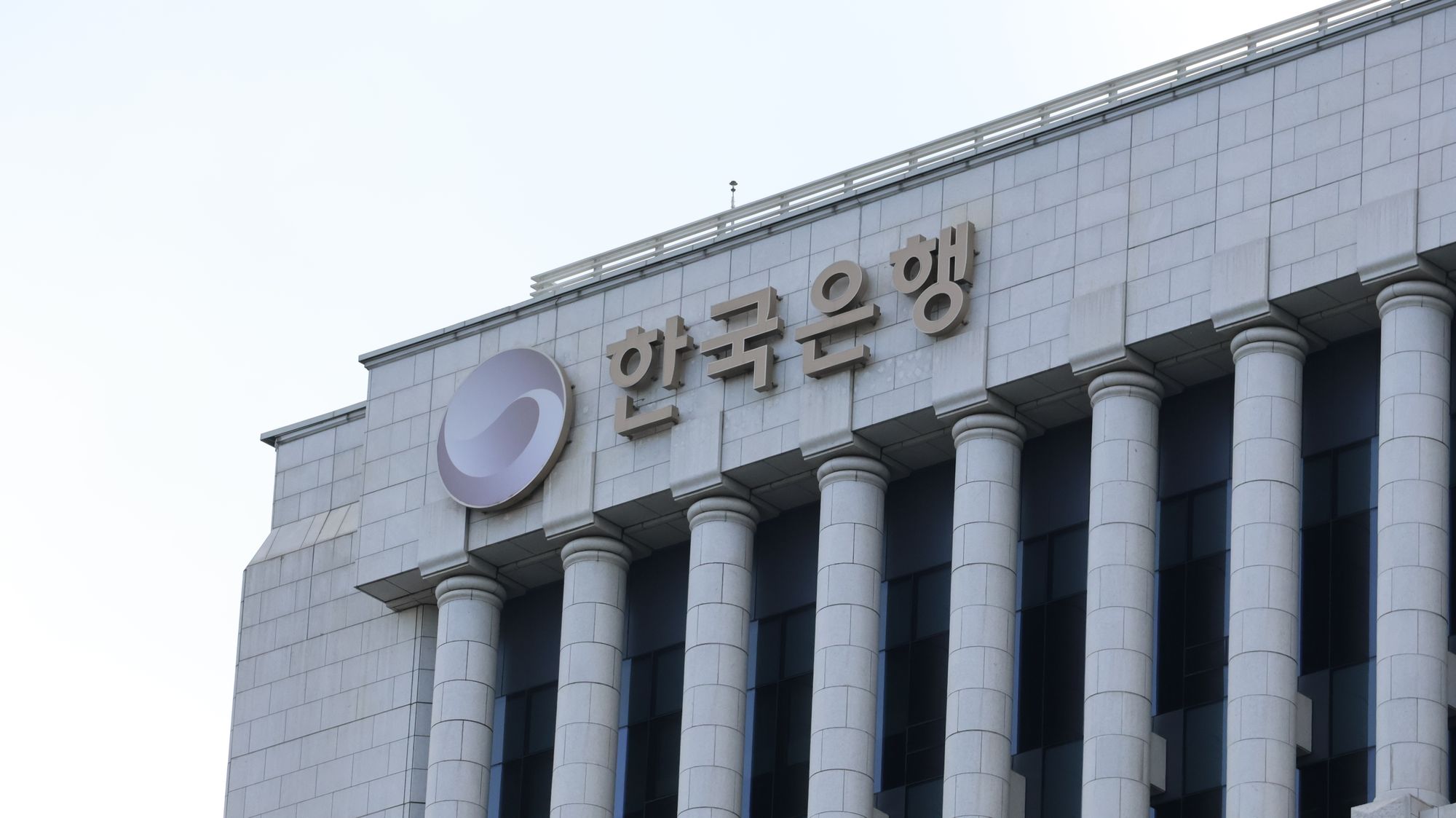
Beneath surface macroeconomic indicators and financial sector soundness figures, credit polarization is deepening as vulnerable borrowers are pushed out of the mainstream financial system and delinquency rates surge. While the banking sector's household loan delinquency rate appears controlled at around 1%, marginal self-employed business owners and low-income earners trapped by multiple debts and weak income face default risks approaching levels seen during financial crises.
According to the Bank of Korea's financial stability report released in September 2026, the delinquency rate on ordinary household loans stood at 0.98%, staying in the 0% range. In contrast, the delinquency rate for vulnerable household borrowers who are multiple-debt borrowers with low income and low credit reached 10.39%, more than ten times that of ordinary households. In particular, the delinquency rate for vulnerable self-employed borrowers with weakened repayment capacity soared to 12.71%, far exceeding its long-term average.
Not only are new delinquencies rising among those unable to repay, but the delinquency persistence rate—the share of borrowers who remain delinquent for more than three months after first falling behind—reached 80.9%. This means that more than eight out of ten delinquent self-employed borrowers fail to repay their debts in the following quarter as well, indicating that the distress of vulnerable groups has gone beyond temporary liquidity shortages to a complete collapse of their ability to repay on their own.
Yoo Shin-ik, chief economist at KB Kookmin Bank's WM Star Advisory Group, appeared on the YouTube channel 'Pyo Young-ho TV' on Oct. 30 and pointed out that the income gap between classes in Korea has reached its limit. Yoo warned of the surge in delinquency rates at credit channels concentrated with vulnerable borrowers, saying, "The top 10% income bracket enjoys rising loans and income together, gaining opportunities to grow assets, while the lower bracket faces stagnation in income and a cutoff in loan supply, putting them at risk of collapse."
The debt service ratio (DSR) regulation and strengthened asset soundness management in the financial sector are cited as structural factors fueling polarization. They give prime borrowers a premium, but for low-income, low-credit borrowers with weak repayment capacity, they act as a direct blow by reducing access to mainstream loans. Vulnerable groups unable to secure even living expenses, let alone repay debts, are being pushed into high-interest card loans, cash advances, and non-bank lenders, accelerating their deterioration.
As the threshold for mainstream finance rises, even policy finance, which should serve as the last resort for vulnerable groups, has shown its limits. In the case of the illegal private finance prevention loan (formerly the small living expense loan), designed to block low-income, low-credit borrowers from falling into illegal private lending, the unrecovered principal balance has surged, and delinquency rates for some borrowers, including young adults, have exceeded 40%. The fact that borrowers are increasingly falling into long-term delinquency after failing to repay even tiny loans of around 1 million won proves that the financial safety net for ordinary people has reached a critical point.
The government and financial sector continue to roll out soft-landing measures such as loan maturity extensions and repayment deferrals, but these are unlikely to be fundamental solutions. While potential non-performing loans are kept on the books as normal credits, borrowers whose income bases have collapsed are becoming isolated in a swamp of multiple debts, rolling over debt with new loans. Moreover, if the phenomenon of solid indicators in the high-credit segment masking cracks in the vulnerable segment persists, accumulated bad debt risks could spread across the entire non-bank sector.
If the credit risk of vulnerable groups is left unaddressed, the burden of loan-loss provisions at non-bank lenders will surge, potentially shaking the soundness of small and mid-sized financial companies. As liquidity supply or interest rate measures alone are unlikely to prevent the contagion of bad debt from marginal borrowers, proactively blocking the default risk of portfolio companies and quickly linking them to real debt relief and rehabilitation programs will be a watershed for the stability of the financial system going forward.
※ This article is an AI translation of the Korean original published by Korea Credit News; it was checked by automated quality guards and published by the English edition desk.